
The Pushback Against Change in Pit Hiring
Addressing Potential Objections to a New Pit Musician Hiring Model

I've written previously about the room for improvement I see in the current pit hiring space, offering a new model for hiring qualified musicians that focuses on talent, inclusivity, and artistic integrity. It's been wonderful to receive the support of fellow musicians, music directors, and other colleagues, but I acknowledge that some of the new ways of working I'm proposing may raise some concerns from folks involved in the current hiring landscape. With any new process, it's natural to experience some anxiety and potential pushback, so I've written this piece to help address some concerns that could arise from the other side of the hiring table.
“We Don’t Exclude People Based on Identity”
This is the most common pushback to all criticisms toward the current system of pit musician hiring that I’ve witnessed. The issue isn’t that it’s a lie, but that it ignores the visible disparity in who gets the most work. Scroll through any Theatre Musicians Association Instagram page and it’s plain to see what I am talking about.
Of course nobody wants to believe themselves as racist, sexist, or homophobic, so it's easy to see why this topic would lead to some defensiveness even when that accusation isn't being made. But because hiring is based almost entirely on word-of-mouth with no system to find and consider new talent, the cis-het white male echo chamber perpetuates itself through unconscious bias.
Unconscious bias (also called implicit bias) refers to the automatic and unintentional stereotypes or attitudes that affect how we perceive, evaluate, and interact with others. These biases operate below the level of conscious awareness, often shaped by culture, experience, and social conditioning. They can influence decisions about who is seen as competent, trustworthy, or “a good fit,” even when a person believes they are being fair and objective. In hiring contexts, unconscious bias tends to favor familiar identities and backgrounds, which reinforces existing patterns of exclusion.
Through my system, we can open up the pool of talent to satisfy theatres’ DEI initiatives without stripping work from veteran players. And veteran players need to remember: ageism is also part of the DEI mission.
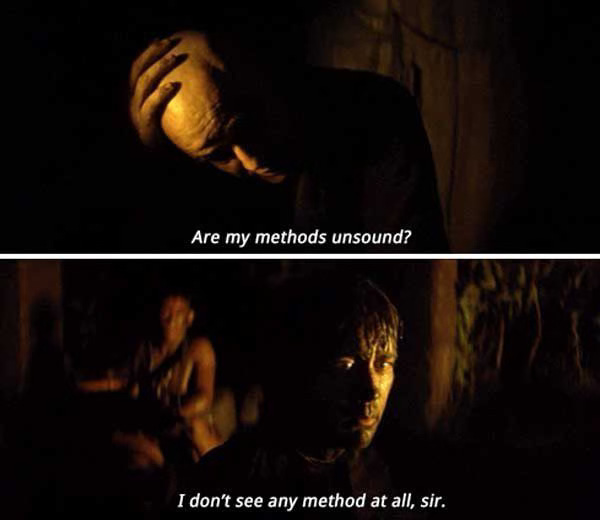
“There Just Isn’t Enough Work”
With arts funding getting cut left and right and the competition of the gig economy, it can be easy to adapt a scarcity mindset. Scarcity is often wielded as a deflection, a way to shut down complaints, but often the majority of available work goes to a very small number of “first-call” players, chosen not through a merit based and transparent system, but through a vague decision process based mostly on visibility.
This leaves a field full of capable players overlooked. If all interested musicians had a chance to be seen, heard, and considered through a transparent process, even those who didn’t get hired could at least trust they were given a fair shot.
“This Feels Like a Personal Attack”
When on the receiving end of criticism of a system they’re a part of and benefit from, it’s understandable that people on the hiring side might take it personally. I’ve said again and again: this isn’t about individuals, it’s about a broken system that leaves hiring to the whim of a single person with little oversight.
If your system can’t survive critique without feeling like an attack, that’s already a sign of fragility.
“Auditions Don’t Show Much”
Many insiders defend word-of-mouth hiring because they believe auditions aren’t reliable. It’s certainly true: an audition alone can’t reveal how someone will play over a run, but when word-of-mouth is the only method, it rewards familiarity over excellence.
My vision isn’t auditions as the centerpiece, but as one part of a broader process:
comprehensive review of submitted materials
transparent application portals on company websites
verified references to balance word-of-mouth
intentional outreach to hear up-and-coming players in smaller theatres
A system like this balances familiarity with exploration of new talent. It also gives new musicians in town the opportunity to be heard. If auditions were truly meaningless, the orchestral world would collapse.
“These Initiatives Will Push Out Veteran Players”
This simply isn’t true. Just as casting actors tends to bring back familiar faces, musicians with a wealth of experience will continue to work.
It’s about widening the net and spreading more of the work in a way that values musicianship, stylistic fit, and lived experience. Some first-call players may work a little less, new talent will finally get more than scraps.
“You’re All Just Mad That You’re Not Getting Work”
This is one of the easiest deflection tactics. Because so few people in this business get steady work, it’s easy to dismiss anyone raising concerns as simply bitter.
Yes, many musicians are frustrated about not working as regularly as they’d like. But the root isn’t scarcity, it’s the lack of transparency. It’s being overlooked for players who are less qualified or a poor stylistic fit, elevated only by an arbitrary “first-call” status. It’s the feeling of never being seriously considered.
Labeling these critiques as “sour grapes” avoids the real issue: a system that gives musicians no way to understand, let alone influence, how decisions are made. This isn’t about entitlement to work; it’s about entitlement to fairness, and if the system can’t distinguish between those two, then the system is broken, not the people pointing it out.
“Be Careful”
In challenging the current conventions of pit hiring, some well-meaning folks close to me have expressed concern for my future in this industry. I acknowledge that speaking up against any a longstanding system that has historically benefitted few at the expense of others carries a certain level of risk, but it's my hope that by opening these topics for discussion that it will not only help encourage others to share their voices, but to be able to include them in the building of a better system in the long run. I believe the future of the pit world is a bright one that can benefit everyone involved, and I look forward to continuing to explore ways to help make that a reality.
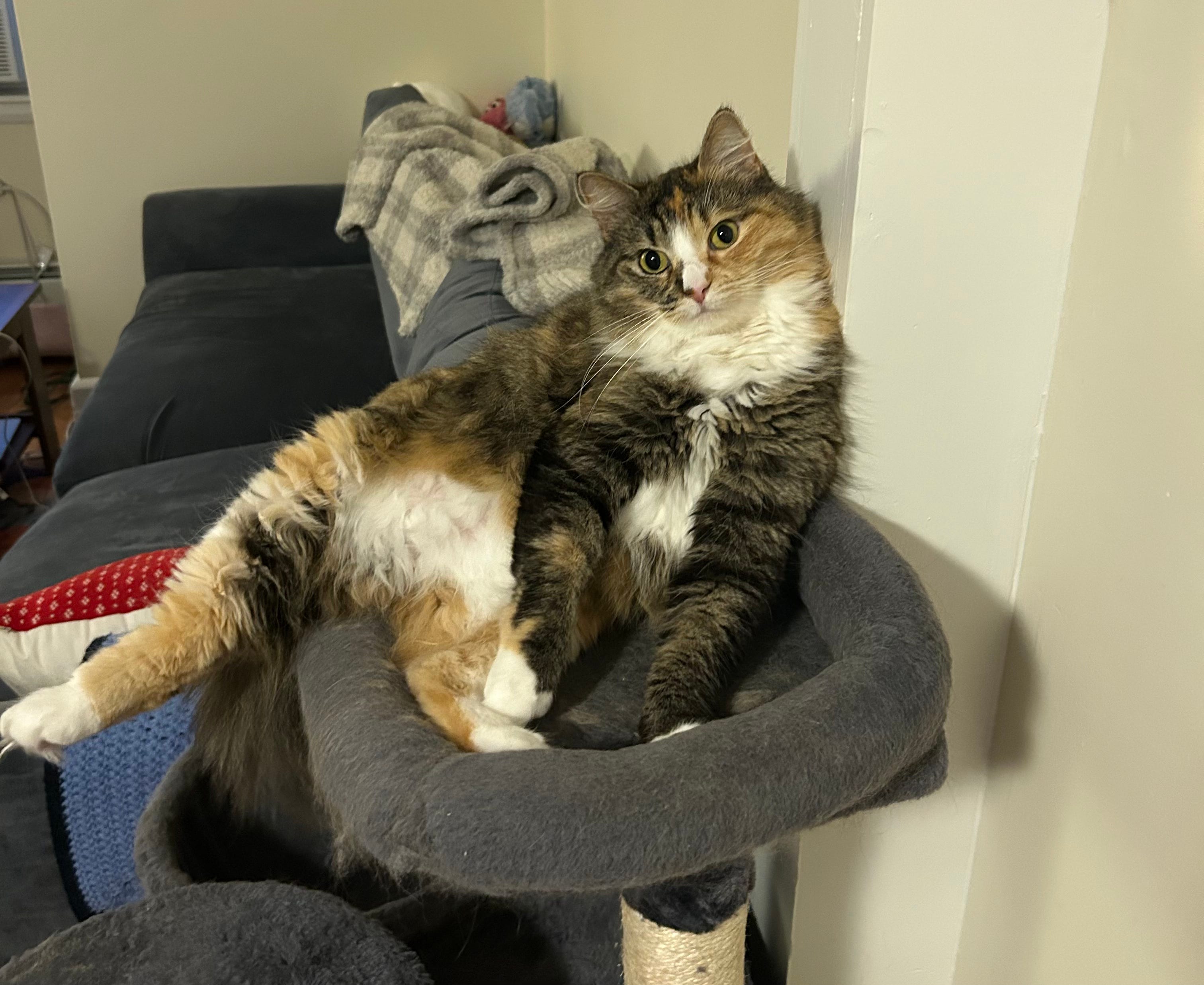
(BTW… Here’s a picture of my cat by popular demand)
PS - For readers interested in how this debate might expand to the union level, Katie A. Berglof at Harpsichords & Hot Sauce has just written a compelling history of the AFM’s approach to hiring and where reform could go from here.

If I had a dime for every time someone who wants to pretend there are no problems in our industry said "be careful" or "this feels like a personal attack" (or "this is an attack!"), I'd be able to fund my own chamber music festival which doesn't center dead white men.
Beautifully written and powerfully stated. Thank you for inspiring me to write on this topic as well. I always look forward to your work! It brings much needed light to an industry that too often buries difficult truths and avoids the practice of critical thinking on issues that matter most.